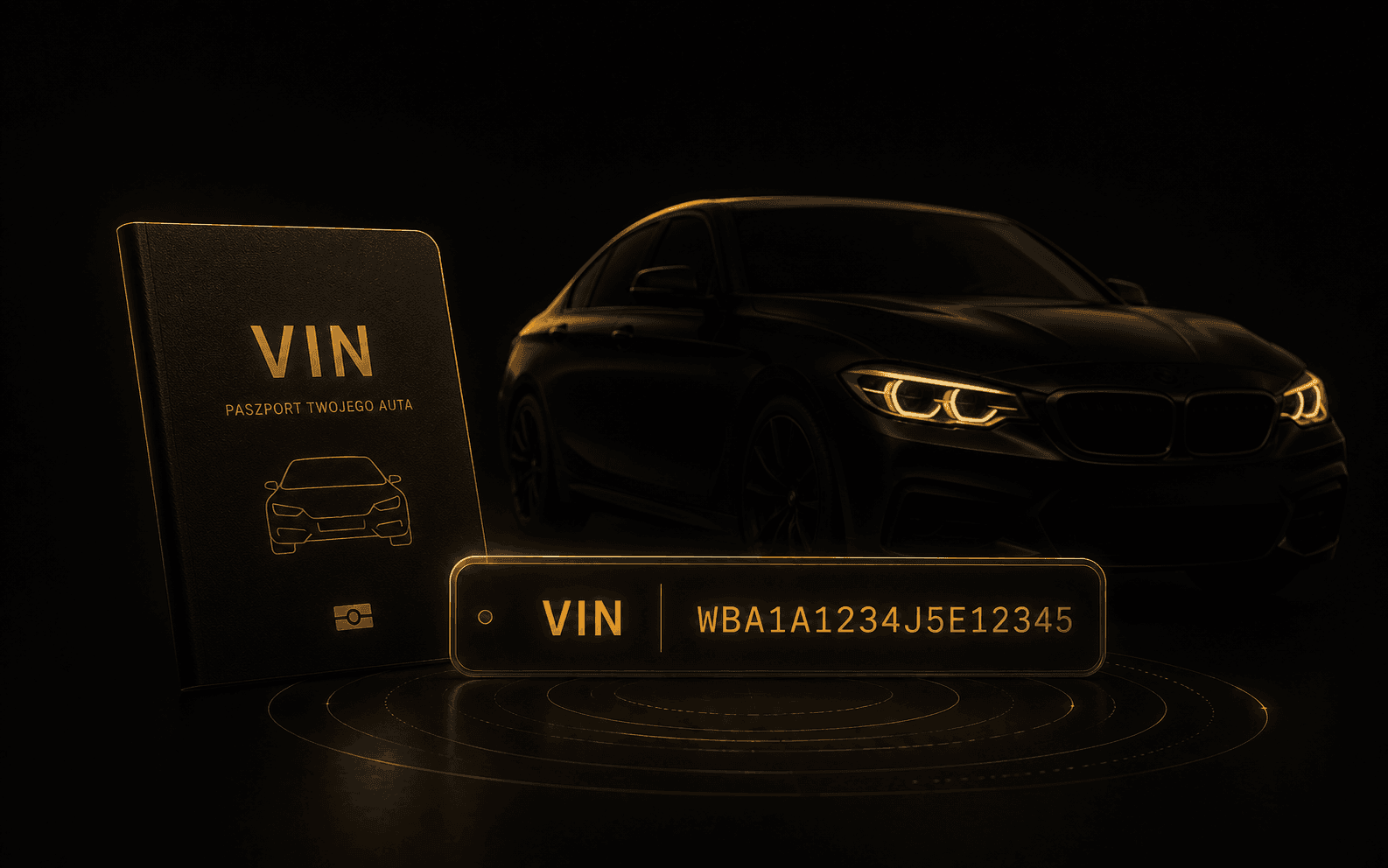
VIN Number - What It Is, Where to Find It and How to Check a Car History
VIN is 17 characters that tell the full story of a car. We explain what each section means, where to find it and how to check a car for free before buying.
The Polish used-car market is a minefield. From 47 AI reports we extracted 10 red flags that should immediately stop you before scheduling a viewing.
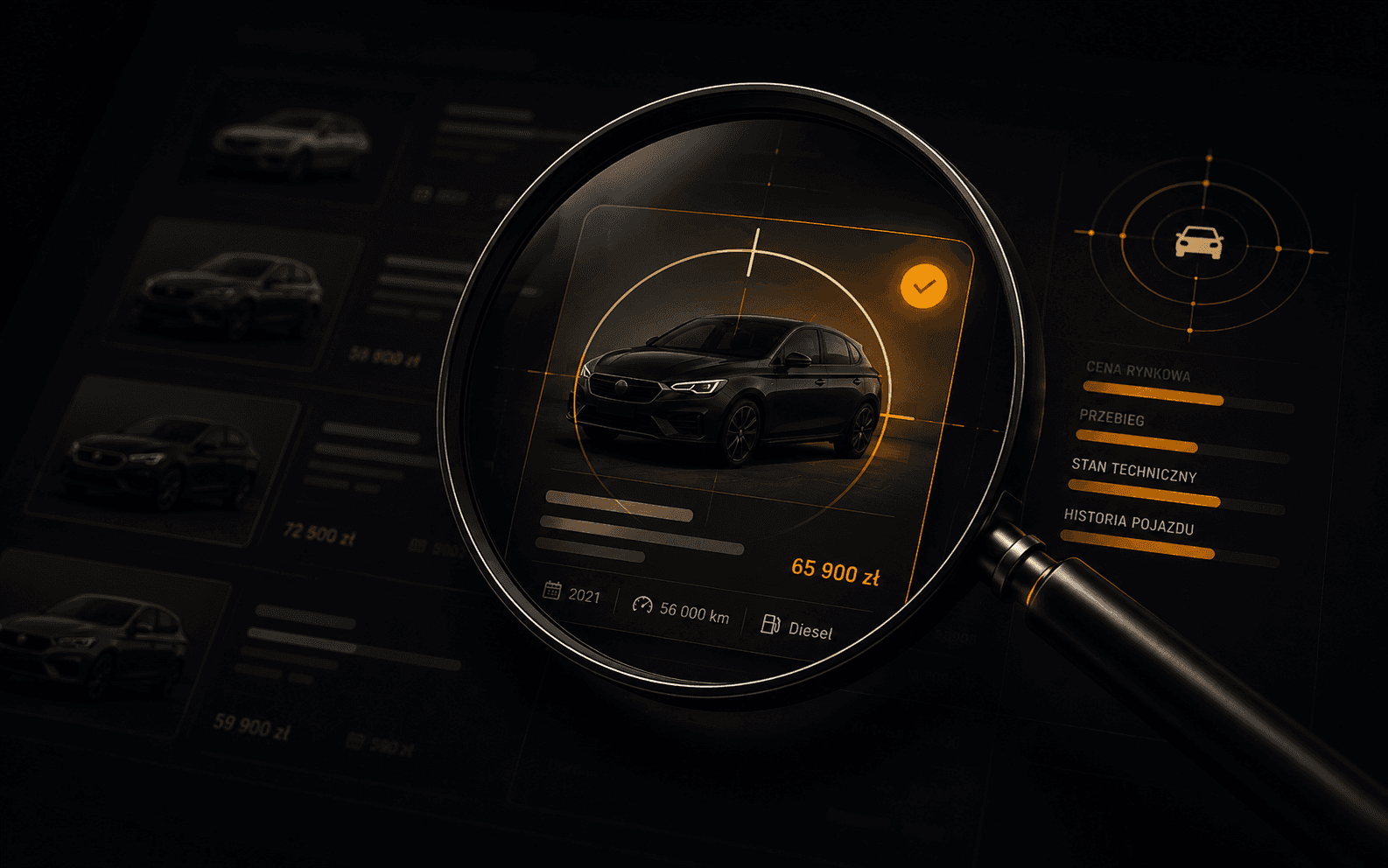
From thousands of listings that Autolert AI analysed over the past quarter, a recurring pattern emerged. 10 warning signals that appear in 73% of listings with serious problems. This list is your first line of defence.
The VIN is a 17-character vehicle identification number. Serious sellers publish it in the listing or provide it on first request without hesitation. The absence of a VIN doesn't always mean fraud, but in 73% of cases where Autolert flagged this as red, the listing had additional risk signals.
Ask for the VIN before any visit. Check the damage history, registration dates and mileage in CEPiK (the public database). It takes 5 minutes and costs nothing.
For a full VIN history — country of origin, thefts, foreign collisions, warranties — we recommend CarVertical (~€29 report). It's the tool we use in our own AI analyses.
When a car costs 20% or more below the median for that model and year — that's a signal something is wrong. The most common reasons: hidden damage, technical issues, a seller who "needs to sell fast" (read: fleeing before a defect is discovered) or the classic "deposit for a phantom car" scam.
Median ≠ average. A single luxury variant skews the average. Autolert works exclusively with the median because it's resistant to statistical outliers.
Every seller has a smartphone. Every smartphone has a decent camera. When a listing has 5 photos from the same angle, all taken at dusk in a garage — the seller is probably hiding something. Paint repairs, rust, torn upholstery — all of these are visible in daylight from different angles.
The photo analysis feature in Autolert AI automatically detects: paint repair traces, colour inconsistencies between panels, unusual reflections (possible filler) and repeated shots. It works from the third second of a report.
Account created "2 days ago", no other listings, no reviews. This isn't always a scammer — it might be someone selling their first car. But combined with other flags on this list, the probability of problems rises to close to 90%.
"From Germany", "from the US", "freshly imported". This sounds good until you ask for documents: EU purchase invoice, Fahrzeugbrief, contract, customs clearance document, proof of excise duty payment. Each of these documents MUST exist. The absence of any one is a red flag.
Each flag on its own doesn't necessarily mean fraud. Three or more at once — that's already a signal not to even schedule a viewing. Autolert calculates this automatically for any listing you paste in, in 60 seconds.
It's not about paranoia. It's about not wasting your time and money on cars that are already clearly not worth your attention.
— Krzysztof M., 31, first car bought with Autolert
Next time you see a listing that "you're afraid to click on" — paste the link here. AI checks all 10 flags automatically and tells you: worth viewing or not.
VIN is 17 characters that tell the full story of a car. We explain what each section means, where to find it and how to check a car for free before buying.

What breaks on BMW E90 and F30, how much repairs cost and how to inspect a used example. Fault list with prices and a pre-purchase checklist - straight talk.